Autoini.com – In Indonesia, even as electric vehicles and hybrids become more visible—and despite strong EV incentive Indonesia policies—most people still choose petrol cars. Why is that? The answer lies in cost, infrastructure, culture, and habits. This article explores why petrol cars still dominate in Indonesia despite the rise in hybrid growth Indonesia.
Key Factors Behind Petrol’s Ongoing Dominance

1. Petrol vs Electric Car Cost Indonesia
One of the biggest reasons is upfront cost. Petrol cars generally cost much less to purchase than electric or hybrid vehicles. Even with government rebates and tax breaks, EVs often require a higher initial investment. For many buyers, especially in suburban and rural areas, that price gap matters more than long-term savings.
Also Read : Used Electric Cars Indonesia – Affordable EV Options
2. Charging Infrastructure Challenges Indonesia
Charging stations are still unevenly distributed. If you live in major cities, you might find public chargers or fast chargers—yet in many other regions, access is limited. Without reliable places to charge, owning an EV becomes inconvenient. That makes petrol cars more practical for daily use, especially when long drives or uncertain routes are involved.
3. Limited Maintenance & Repair Network for EV and Hybrid
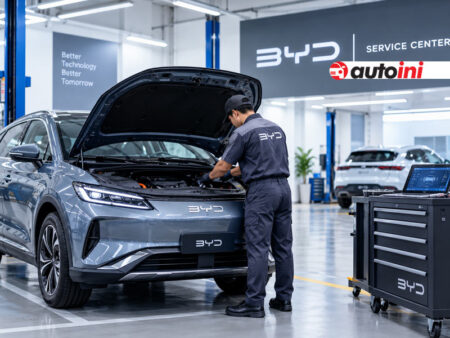
Petrol cars have a long-standing service and parts network throughout Indonesia. Mechanics, spare parts, refueling stations—all are established. EVs and hybrids are newer; trained technicians or affordable spare parts are harder to find, especially outside big cities. That uncertainty adds perceived risk for buyers.
4. Incentives Help, But Not Always Enough
The government offers EV incentive Indonesia programs: reduced VAT, luxury tax exemptions, and import duty breaks. For hybrids, similar rebates exist. These are helping hybrid growth Indonesia, but sometimes conditions (local content requirements, import duty, or waiting time) can dilute the benefit. Also, incentives do not always fully offset the cost difference of petrol cars.
5. Resale Value & Perceived Reliability
Petrol cars have a proven track record in Indonesia. Buyers believe they hold value better and are more reliable for local driving conditions: variable roads, less‐than-ideal maintenance environments, and longer servicing distances. That perception keeps petrol cars in favor.
6. Cultural & Behavioural Preferences
Many consumers are used to petrol cars—refueling is fast, drivers know how to maintain them, and petrol stations are everywhere. Also, EVs/hybrids may be seen as niche or premium. For many, buying a car is more than transport—it’s a reliable solution for daily life, and petrol fits that.
Also Read : Top 10 Best Selling Cars in Indonesia, August 2025
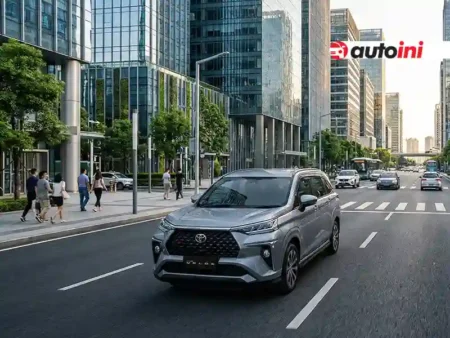
Why Toyota Kijang Innova is the best selling car in Indonesia

The Toyota Kijang Innova’s dominance in August can be explained by:
- GIIAS 2025 Momentum: Attractive promotions and visibility at the exhibition helped drive more bookings.
- Strong Family Demand: Still the go-to MPV for Indonesian families.
- Hybrid Option: The new Innova Zenix hybrid appeals to eco-conscious buyers.
- After-Sales Network: Toyota’s wide service and dealer coverage boosts consumer confidence.
Recent Supporting Data (Q1–Q2 2025)
| Metric | Data (as of Q1–Q2 2025) | Insight |
|---|---|---|
| EV sales growth YoY | +43.4% overall EV sales compared to same period last year | EV incentive Indonesia working, but from a smaller base |
| EV share of passenger vehicle market | ≈ 6.25% in 2024, rising from ~1.3% in 2022 | Still small share relative to petrol & diesel vehicles |
| Total vehicle market status | Decline in overall vehicle sales until mid-2025, some recovery driven by EVs | Petrol still dominates volume due to established base |
Conclusion – Petrol Vs Electric Car
Petrol cars still dominate in Indonesia because they match what many people need most: lower upfront cost, reliable refueling, widespread service network, and fewer worries about charging or repair. While hybrid growth Indonesia and EV incentive Indonesia policies are helping shift the market, they are not yet strong enough to overcome the advantages of petrol vehicles for many buyers. As infrastructure improves and costs continue falling, EVs and hybrids will gain more ground—but for now, petrol remains king.
FAQs – Petrol Vs Electric Car?
What makes hybrid growth Indonesia slower than expected?
Even with incentives, hybrids cost more than regular petrol cars. There are also fewer dealers with expertise, and parts maintenance can be more expensive. Buyers wait to see long-term reliability before committing.
How strong are the EV incentive Indonesia programs currently?
The government has lowered VAT, reduced luxury taxes, and offered import duty breaks. But requirements—such as local content level—can limit eligibility. Incentives help, but often don’t fully close the cost gap with petrol cars.
Does petrol vs electric car cost Indonesia favour EVs in total cost of ownership over time?
In theory, yes—EVs often have lower running costs. But in practice, high purchase price, battery maintenance, charging access, and resale value concerns mean many users still find petrol cars cheaper overall, at least short-to-mid term.