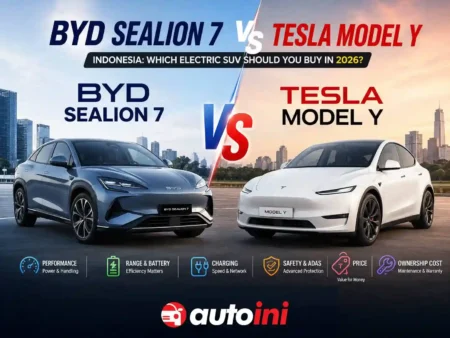
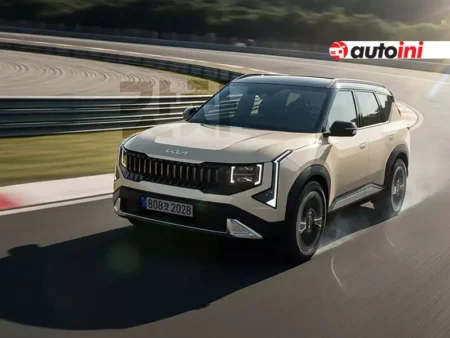
Autoini.com – Indonesia to Cancel EV Import Incentives in 2026. The government has confirmed that incentives for imported EVs under the Completely Built-Up (CBU) scheme will end in 2026. Until the end of 2025, buyers and manufacturers can still benefit from tax cuts and duty exemptions, but the policy shift signals a strong move toward local EV production and higher domestic content (TKDN).
For car buyers, this change may affect EV prices in showrooms. For automakers, it creates a deadline to move assembly operations to Indonesia or risk losing competitiveness.
Also Read : Mercedes-AMG GT XX Concept: 5-Minute Charge, 400 km Drive
Why Is Indonesia Ending EV Import Incentives?
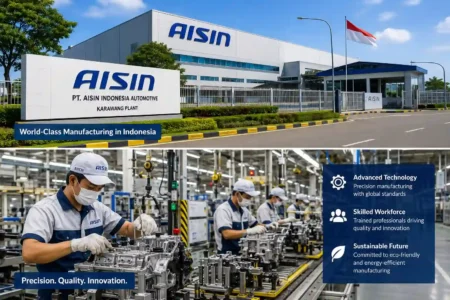
The government’s goal is clear: transform Indonesia into a major EV production hub, not just an import market. Ending CBU incentives pushes automakers to invest in factories, supply chains, and local jobs.
- Until December 2025: EVs imported as CBU still get incentives (reduced luxury goods sales tax, import duty exemption).
- From 2026: Incentives only apply if EVs are locally produced or assembled, meeting minimum TKDN levels.
This is part of a long-term strategy to support Indonesia’s battery ecosystem and take advantage of the country’s rich nickel resources.
Also Read : Honda ADV160 2025 Launched in Indonesia
Local Content (TKDN) Timeline
| Year | Minimum Local Content (TKDN) Required | Policy Impact |
|---|---|---|
| 2026 | 40% | Start of mandatory local assembly for incentives |
| 2027–2028 | 60% | Higher local content pushes deeper supply chain integration |
| 2030 | 80% | Strong domestic industry base expected |
Impact on Car Buyers
For Indonesian buyers, the short-term and long-term effects differ:
- Short Term (2025): CBU EVs may remain attractive due to tax breaks, potentially lowering prices. Buyers could see special deals at the end of the year as automakers push to clear stocks.
- Long Term (2026 onwards): Imported EVs are likely to become more expensive, as incentives will disappear. However, locally assembled EVs could be cheaper and more competitive, making them a smarter option.
This shift aligns with government ambitions: wider EV adoption but with stronger local value creation.
Automakers’ Response
Global and regional EV brands are already adjusting their strategies.
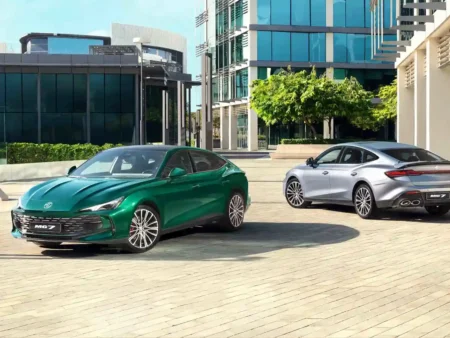
- BYD, VinFast, Geely, Xpeng, and GWM Ora have announced plans to invest Rp 15.52 trillion with a combined production capacity of 305,000 units in Indonesia.
- Japanese brands, including Toyota and Honda, are also exploring hybrid and EV localization to maintain their dominance.
- Several automakers are racing to secure local battery partnerships, as Indonesia aims to be a global EV battery hub.
This rapid investment wave shows that manufacturers are taking the 2026 deadline seriously.
Industry Outlook: A Balanced Transition
While EV sales are growing fast, petrol cars still dominate the Indonesian market in 2025. Government rebates and policy changes are designed to change this balance. Ending CBU incentives is one step, but building charging infrastructure, ensuring affordable EV models, and providing financing options remain critical.
Also Read : Used Electric Cars Indonesia – Affordable EV Options
Conclusion
Indonesia’s decision to end EV import incentives in 2026 is more than just a tax change — it’s a signal of a new era. Buyers should be aware that imported EVs will cost more, while locally produced EVs may offer better value. For automakers, the message is clear: invest in Indonesia or risk falling behind.
This move strengthens the country’s EV ecosystem, from local assembly to battery manufacturing, and positions Indonesia as a regional EV powerhouse.
FAQs
What will happen to EV prices after 2026 in Indonesia?
Once import incentives end, CBU EVs will become more expensive due to higher taxes. However, locally produced EVs could be priced more competitively, balancing the market.
How do hybrid cars fit into this policy?
Hybrid cars in Indonesia still enjoy some tax advantages, but the government is prioritizing full battery electric vehicles. Hybrids may act as a transition, but incentives are focused on pure EV adoption.
Will charging infrastructure improve by 2026?
Yes. The government and PLN are targeting tens of thousands of charging stations nationwide by 2030. Expansion is expected to accelerate in major cities before 2026 to support growing EV adoption.

MUST READ
Best EV Car Charger Options in Indonesia
Best EV car charger options can feel overwhelming, especially with different charging levels, varying speeds, and wide-ranging costs.