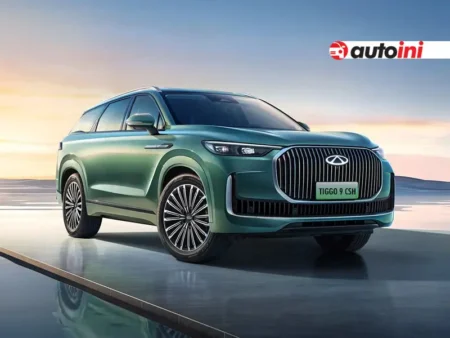
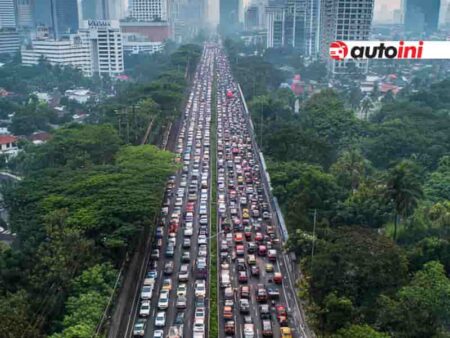
Autoini.com – Jakarta odd-even EV surge highlights how the city’s crowded roads have long been a headache for daily commuters. With the Ganjil-Genap (Odd–Even) Rule Jakarta in place, drivers must match their license-plate number — odd or even — with the date to legally navigate major roads during peak hours. But there’s a twist: electric vehicles (EVs) are officially exempted from this rule.
That exemption is becoming a strong incentive for many Jakarta households to consider switching to EVs. As traffic hassles and environmental awareness rise, more people see EVs as a clever, future-proof way to reclaim their freedom on the road — without compromising on convenience.

Why the Odd–Even Rule Drives EV Adoption in Jakarta
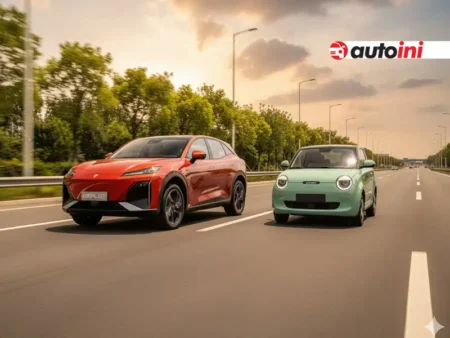
Electric vehicles are exempt from Jakarta’s odd–even rule
Under the current regulation, EVs enjoy free passage even when plate-number restrictions apply. This freedom — especially during busy hours — removes a daily stress point for many commuters and increases the practical appeal of owning an EV.
ALSO READ
Jakarta Expands FREE Public Transport: A Game-Changer for Commuters
EV market in Indonesia is booming
- In Q1 2025, Indonesia recorded 27,616 EV units sold, up from 19,260 units in the same period the year before — a growth of 43.4%.
- According to recent industry data, the EV segment grew 49% in 2025, making up about 18% of total light-vehicle sales.
- Demand remains strong despite a broader slowdown in conventional vehicle sales across the country.
Better infrastructure and support for EV owners
Supporting the trend, state-owned electricity providers ramped up EV charging infrastructure significantly in recent years. Besides public chargers, home charging installations also surged, making EV ownership more practical than ever.
Government incentives and favorable policy climate
Many buyers in Jakarta — and across Indonesia — are drawn to electric vehicles not only for convenience but also for the significant savings on taxes and registration costs. Under current regulations:
- As a result, both upfront and recurring costs are much lower for EV owners when compared with traditional gasoline vehicles.
- Owners of battery-electric vehicles (BEVs) enjoy 0% annual motor-vehicle tax (PKB). This means no yearly tax bill, while conventional cars typically pay 1.5–2% of the vehicle’s assessed value.
- When registering a new EV — or transferring ownership — the usual fee for title transfer (BBN-KB) is also waved to zero.
ALSO READ
Vehicle Tax Relief Jakarta: No More Late Fees for PKB and BBNKB
Data Snapshot: EV Growth in Indonesia 2023–2025
| Period | EV Sales (units) | Year-on-Year Growth / Market Share Notes |
|---|---|---|
| Full 2024 | ~43,000 units | Market share up ~60% vs prior year |
| Q1 2025 | 27,616 | Up 43.4% vs Q1 2024 (19,260) |
| 2025 (YTD Q3) | – | EV share ~18% of light-vehicle sales |
Key Points of Jakarta Odd–Even EV Surge
- EVs are exempt from Jakarta’s odd–even rule, offering practical daily freedom.
- EV sales are rising sharply across Indonesia — even as conventional sales slow.
- Infrastructure growth is supporting EV usability and convenience.
- Regulatory incentives further boost EV appeal.
- For many Jakarta drivers, EVs are no longer just green — they deliver real mobility benefits.
Frequently Asked Questions
What makes the odd–even rule Jakarta an advantage for EV buyers?
Because EVs are exempt from the odd–even restriction, owners can drive without worrying about license-plate numbers on restricted days. This flexibility often becomes a deciding factor for people tired of daily traffic jams.
How strong is the electric vehicle adoption Jakarta-wide in 2025?
In 2025, Indonesia’s EV market grew around 49%, with EVs accounting for about 18% of all light-vehicle sales — clearly showing that electric vehicle adoption Jakarta is becoming mainstream.
Has EV sales Indonesia growth influenced Jakarta residents to go electric?
Absolutely. The sharp rise in EV sales nationwide — boosted by incentives, better infrastructure, and policy perks like odd–even exemption — is mirrored in Jakarta’s growing appetite for EV ownership.
Conclusion
Jakarta’s odd–even traffic policy — originally meant to ease congestion — has become an unexpected accelerator for EV adoption. By exempting electric vehicles from restrictions, the city turned regulatory relief into a tangible lifestyle benefit. As EV infrastructure improves and national sales soar, many Jakarta drivers are finding that switching to an EV isn’t just about saving the planet — it’s about reclaiming time, convenience, and peace of mind on daily commutes. For those stuck in traffic day in and day out, EVs are proving to be a smart, future-proof choice.

MUST READ
Jakarta’s Odd-Even Traffic Rules Under PPKM Level 1
Understanding Jakarta’s Odd-Even Traffic Policy During PPKM Level 1!