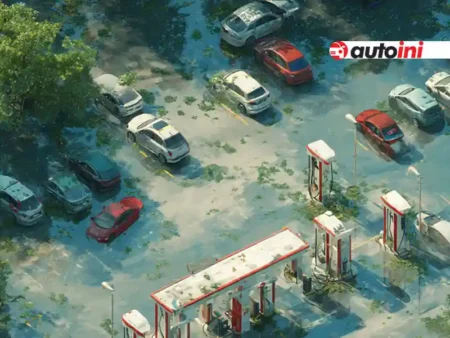
Autoini.com – Heavy rains and sudden floods can turn a daily drive into a disaster — especially if your car becomes a “flooded car.” In Indonesia, where heavy rain and flash flooding are common, many drivers face the risk of water damaging their vehicle’s engine, electronics, and interior. If you find your car submerged after a storm, the first few actions you take can make the difference between a full recovery and costly, long-term damage. This guide shows exactly what to do after flood-damage — in simple, clear steps so you can protect your vehicle and your wallet.
Why Swift Action Matters
A flood-damaged vehicle isn’t just about wet seats. Floodwater often carries mud, debris, and contaminants that can penetrate deep into mechanical, electrical, and interior systems. Engines may suffer “hydrolock” if water enters the cylinders — a problem that often leads to severe internal damage. Electrical systems, wiring, sensors, and safety features can short-circuit or corrode. Inside, moisture left behind can lead to mold, bad smells, or rust on metal parts. That’s why immediate, proper care is essential.
Key Steps to Take For a Flooded Car
1. Do not start the engine — ever
Starting a car that’s been submerged can cause engine hydrolock. Even if the car looks dry externally, water may still be inside air intake or cylinders. Always wait until a full inspection before turning on the ignition.
2. Disconnect the battery and avoid short-circuits
Flooded electronics are vulnerable. Detach the battery cables (if it’s safe to reach) to reduce risks of short-circuits or electrical fires.
3. Document the flood damage
Take photos and videos of the water level on the outside and inside (floorboards, seats, under the hood, etc.). This documentation helps if you plan to claim insurance or need a mechanic’s evaluation.
4. Ventilate and dry the interior thoroughly
Open all doors, windows, hood and trunk. Remove floor mats, carpets, and seat covers. Let air flow, ideally under the sun or with a fan or dehumidifier, to avoid mold and lingering moisture.
5. Examine fluids, filters, and the fuel tank
Floodwater often contaminates engine oil, transmission fluid, brake fluid, or coolant — these must be drained and replaced if cloudy or milky. Check the air filter and fuel tank too, as standing water may have entered.
6. Inspect brakes, wheels, undercarriage, and suspension
Floodwater brings mud and debris that can damage brake pads, wheel bearings, brake discs, and suspension components. Clean, dry, and — if needed — replace damaged parts to avoid safety risks.
7. Evaluate electrical systems & sensitive components
Modern cars rely heavily on electronics — from engine sensors to airbags and infotainment. Floodwater may corrode wiring, fuse boxes, ECUs, or sensors. If water reached engine bay or cabin electronics, better let a trusted mechanic perform a full diagnostic scan.
Post-Flood Car Maintenance Checklist
| Component / Area | What to Do / Check | Why It Matters |
|---|---|---|
| Engine & fluids (oil, transmission, coolant) | Drain and replace if contaminated | Prevent internal engine or transmission damage |
| Air filter & fuel / fuel tank | Replace or clean if wet / contaminated | Water in intake or fuel damages engine function |
| Battery & electrical wiring | Disconnect initially; inspect for corrosion | Prevent short-circuit, electrical failures, sensor damage |
| Interior, carpets, seats, cabin floor | Remove & dry completely; clean mud/debris | Avoid mold, bad odor, rust from moisture |
| Brakes, wheels, suspension, underbody | Clean, dry, inspect for rust or damage | Ensure safe braking and driving control |
| Documentation/photos | Take clear images inside and outside | Useful for insurance claims or mechanic reports |
When to Call a Professional Mechanic

Even if you perform all immediate steps, certain issues — like hidden water in engine internals, transmission damage, or corrupted electronics — require professional inspection. If water reached engine bay, cabin wiring, or you see contaminated fluids, better not attempt to start the car. Instead, tow it to a trusted workshop for full diagnostics and repair.
Conclusion
Floods can strike suddenly — but what you do right after makes all the difference. A “flooded car” doesn’t always mean total loss. With calm, careful steps — from not starting the engine, disconnecting the battery, drying every part, to checking fluids and electronics — you give your vehicle the best chance to recover. Acting fast, thoroughly, and wisely can save you from costly repairs and keep your car safe and reliable for years. Treat post-flood car maintenance like first aid for your vehicle — because with floods, every hour counts.
FAQs
How soon should I check engine oil and transmission fluid after a flood?
You should inspect your engine oil, transmission fluid, brake fluid, and coolant as soon as the flood recedes and the car is in a safe, dry place. If the oil or fluid looks cloudy, milky, or diluted, drain and replace immediately — driving otherwise may damage internal parts.
What to do if water reached the interior and cabin carpet after flooding?
Remove all wet items: carpets, seat covers, floor mats, and upholstery. Dry everything thoroughly under sunlight or with good airflow. Ventilate the cabin well to prevent mold, bad odor, or moisture damage to electronics under the seats or floor.
When is a flood-damaged vehicle considered beyond repair?
If floodwater rose above dashboard level, entering engine bay and cabin electronics — especially if wiring, ECU, fuel tank or transmission were submerged — many insurers and mechanics may treat it as a total loss. Persistent problems like rust, sensor failures, and recurring electrical issues make repair costly.

MUST READ
Top 10 Low Maintenance Cars in Indonesia
Discover Indonesia’s 10 Most Reliable and Low Maintenance Cars!