EV car battery technology is moving fast—and knowing the different types and how to care for them can make your EV journey smoother and more cost-effective. This article explains the most up-to-date EV battery types and shares expert-backed care tips to help your battery last longer and perform better.
Which EV Car Brand Use Which Battery Types?

Tesla
Battery Type: NMC (premium models), LFP (affordable models)
Models: Model S, Model X (NMC); Model 3 SR, Model Y SR (LFP)
Tesla uses high-performance NMC batteries for long-range luxury EVs, while shifting its mass-market cars to LFP packs supplied by CATL, which are safer and more cost-effective.

BYD
Battery Type: LFP (Blade Battery)
Battery Type: LFP (Blade Battery)
Models: Atto 3, Han EV, Dolphin
BYD leads the world in LFP adoption with its patented Blade Battery, known for its safety, durability, and sleek design. This makes BYD one of the most trusted EV manufacturers when it comes to battery reliability.

Toyota
Battery Type: NiMH (hybrids), Lithium-Ion (new EVs), Solid-State (future)
Models: Prius Hybrid (NiMH), bZ4X (Lithium-Ion)
Toyota pioneered NiMH batteries in hybrids like the Prius but is now using Lithium-Ion in full EVs. The brand is also heavily investing in solid-state batteries, aiming to commercialize them later this decade

Which Battery is Mostly Used in Electric Two-Wheelers?

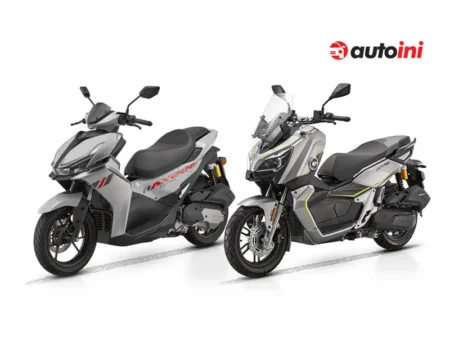
Most electric two-wheelers today use Lithium-Ion batteries, especially LFP (Lithium Iron Phosphate) because they are safer, cheaper, and have a longer cycle life compared to NMC. LFP batteries can handle frequent charging and discharging, which suits the daily stop-and-go nature of scooters and bikes.
In smaller, low-cost e-scooters and e-bikes, some manufacturers still use Lead-Acid batteries because they are inexpensive, but these are heavy, charge slower, and offer less range. As technology costs fall, lead-acid is being rapidly replaced by lithium-ion.
By 2025, over 85% of electric scooters and motorcycles sold in Asia are powered by Lithium-Ion batteries (with a majority being LFP), thanks to their balance of safety, affordability, and durability.
Also Read : Top Selling Car Brands in Indonesia – July 2025
Essential Care Tips for Longer Battery Life
- Treat charging as a daily routine (EV battery care). Slow, partial charges are better than frequent fast charging—this helps reduce battery stress and extend battery longevity.
- Maintain charge between 20% and 80% (EV battery lifespan). Both extremes can accelerate degradation. For LFP batteries, an occasional full charge helps with system calibration.
- Avoid frequent fast charging, especially in hot climates. Use Level 2 chargers for daily use; fast charging occasionally is fine.
- Protect from extreme temperatures. Park in shade or a garage and let your EV pre-condition while plugged in. Batteries last longer when kept between ~15–30 °C.
- Do regular software updates & maintenance. Automakers often issue updates that optimize battery efficiency and safety.
Also Read : Top Selling Bike in Indonesia – July 2025
Conclusion
By understanding the different types of EV car batteries—from dominant lithium-ion variants (NMC, LFP) to rising sodium-ion and promising solid-state—you can make informed choices when buying or maintaining your EV. Pair that knowledge with smart habits—charging routinely at moderate levels, avoiding heat, and updating software—and you’ll help your battery live longer and drive better.
FAQ
How can I boost my EV battery lifespan?
Keeping the charge between 20–80% and avoiding fast charging whenever possible helps slow down battery degradation—especially in lithium-ion batteries.
What are the best EV battery charging tips for daily use?
Use Level 2 home charging nightly, avoid fully charging or fully depleting the battery, and only use fast charging occasionally—this balances convenience and battery health.
Why should I care about latest EV battery technology when buying a car?
Technologies like LFP and sodium-ion offer better safety, lower cost, and longer lifecycle today. Solid-state batteries are promising but not yet widely available. Choosing modern types future-proofs your EV investment.