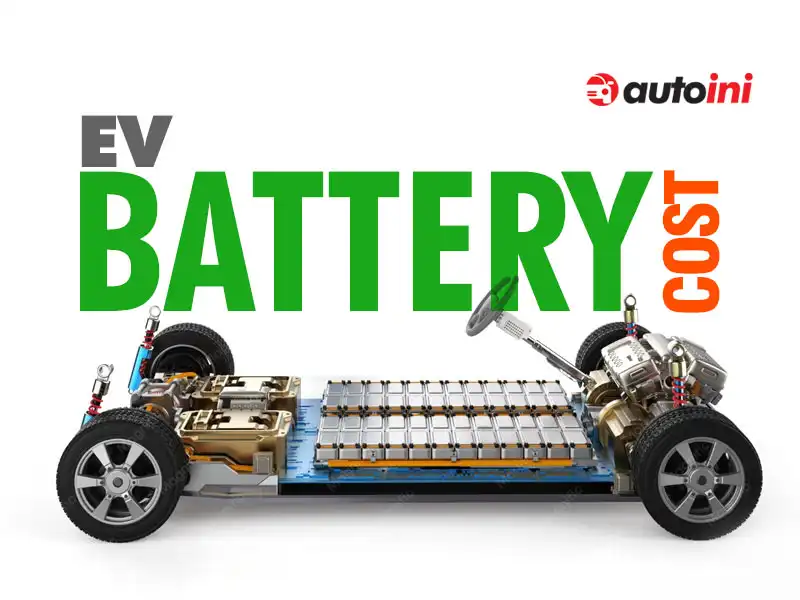
Autoini.com – Many people eyeing an electric car in Indonesia still pause at one big question: how much does EV battery cost in Indonesia, and is it true that it can swallow half the vehicle’s price? The short answer is that it often comes close, especially on compact models, though the picture is changing as local factories ramp up.
Battery packs remain the single most expensive part of any EV. Recent industry figures put the EV battery share of vehicle price between 40% and 60% depending on capacity and chemistry. That makes battery replacement cost a real ownership consideration, even with strong warranties of eight years or 160,000 km common across brands.
Current Electric Car Battery Price Reality
Entry-level city cars show the pattern clearly. The popular Wuling Air EV and newer Aira EV models sell in the Rp155–307 million range (OTR Jakarta). Replacement batteries for these cars are estimated around Rp80–100 million. On the cheaper variants that figure sits very near or even above half the purchase price.
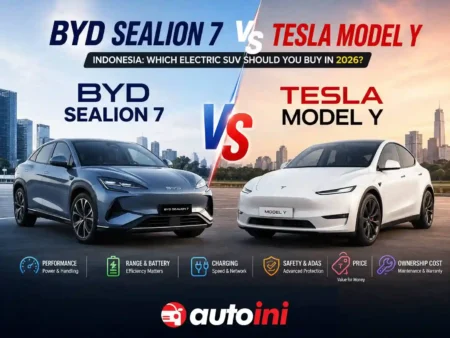
Higher up the range the absolute numbers climb but the percentage stays significant. Toyota bZ4X (around Rp799–889 million) has seen battery estimates near Rp540 million on earlier CBU units — still a large slice. Hyundai Ioniq 5 packs sit in the Rp300–400 million band, while mid-size models such as the Jaecoo J5 EV hover near Rp170 million for a full pack.
BYD models and Chery vehicles follow a similar pattern. The popular BYD Atto 3 and M6 usually fall in the Rp150–200 million battery replacement range, while Chery Omoda E5 and related models are typically estimated between Rp150–250 million.
Here is a practical snapshot of estimated battery replacement costs drawn from recent market reports:
| Model | Approx. Car Price (OTR Jakarta) | Estimated Battery Cost | Rough Share of Price |
|---|---|---|---|
| Wuling Aira EV / Air EV | Rp155–307 million | Rp80–100 million | Near 40–50% |
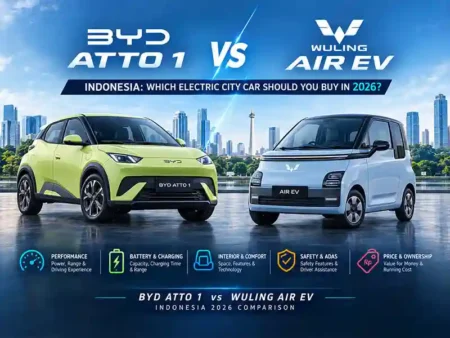
| BYD Atto 1 | Rp199–245 million | Rp100–150 million | ~45–55% |
| BYD Dolphin | Rp369–429 million | Rp120–180 million | ~30–45% |
| BYD Atto 3 | Rp415 million | Rp150–200 million | ~35–50% |
| BYD M6 | Rp395–445 million | Rp150–200 million | ~35–50% |
| Chery Omoda E5 / similar | Rp350–450 million | Rp150–250 million | ~40–55% |
| Jaecoo J5 EV | Rp280–325 million | ~Rp170–174 million | ~50–60% |
| Hyundai Ioniq 5 | Rp800+ million | Rp300–400 million | 35–50% |
| Toyota bZ4X | Rp799–889 million | Up to Rp540 million | Up to ~60% |
| VinFast VF models | Rp150–250 million+ | Rp150–180 million | 40–60% |
These are full-pack estimates. Some makers now offer modular repairs that can lower the bill if only certain cells fail.
Why Battery Replacement Cost Stays High
Most passenger EVs in Indonesia use lithium iron phosphate battery Indonesia packs (LFP) or nickel-based chemistries. LFP is popular for its safety and longer cycle life in tropical heat, yet the complete pack — cells, cooling, battery management system and housing — still commands a premium. Global cell prices have fallen, but import logistics, local assembly margins and smaller production volumes keep Indonesian retail figures higher than in China or Europe.
For two-wheelers the story is similar in percentage terms. Experts note that a typical 1.5–2 kWh motorcycle battery starts from around Rp7 million and can represent 40–50% of the bike’s value. SLA, LFP and NCM options differ in price per kWh (roughly Rp1.2–5 million), giving owners clearer choices.
Local Production Is Starting to Shift the Numbers
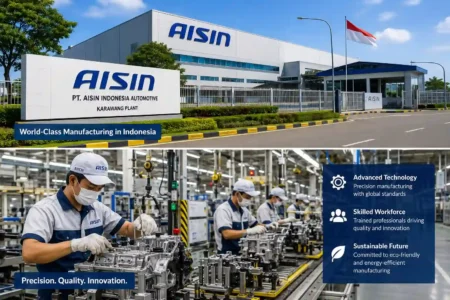
Indonesia’s nickel resources and new battery plants are beginning to matter. The first commercial EV battery exports left Weda Bay in October 2026. Domestic cell factories in Karawang and elsewhere are scaling toward multi-GWh capacity. Industry observers expect this to trim electric car battery price over the next few years, potentially bringing overall EV costs down by 20–30% once local content rules tighten further.
Until that full effect arrives, buyers should treat battery health as part of the purchase decision. Check the warranty carefully, ask about modular repair options, and consider total cost of ownership rather than sticker price alone.
ALSO READ
BYD Service Cost in Indonesia
Key Points to Remember
- Battery packs commonly account for 40–60% of an EV’s selling price in Indonesia.
- Compact models often sit closest to the “half the car’s price” mark.
- Warranties of 8 years / 160,000 km protect most owners from early full replacement.
- Local production and falling global cell prices point to gradual relief.
- Always confirm current battery replacement cost with the dealer for the exact model.
Looking Ahead
The days when an EV battery felt like a financial gamble are slowly fading. With more factories online and competition intensifying, both electric car battery price and full vehicle prices should become more approachable. For now, the honest answer remains: yes, the battery can still approach or reach half the car’s price on many models — but strong warranties and improving local supply are making ownership less risky than it looked a couple of years ago.
If you are comparing specific cars, ask the dealer for the written battery replacement estimate and warranty terms. That single conversation often clears up more uncertainty than any general article can.
FAQs
How much is the typical battery replacement cost for popular EVs in Indonesia?
Full packs currently range from roughly Rp80–100 million on compact Wuling models up to Rp300–540 million on larger SUVs. BYD Atto 3, M6 and Chery models usually sit in the Rp150–250 million band. Exact figures depend on capacity and whether modular repair is possible.
What is the usual EV battery share of vehicle price right now?
Industry reports consistently place it between 40% and 60%. Smaller city cars often sit near the higher end of that range.
Are lithium iron phosphate battery Indonesia packs more affordable than other types?
LFP packs generally cost less than high-nickel chemistries and handle tropical temperatures well. They dominate the entry and mid-range segments for that reason, though absolute pack prices still remain substantial.
Will local battery production lower electric car battery price soon?
Early exports and expanding factories in 2026 suggest gradual reductions over the next few years, especially once local-content requirements rise. Buyers should watch official announcements from manufacturers for updated pricing.