As Indonesia’s automotive market entered the final quarter of 2025, the industry continued to feel the pressure of slowing demand and weakening consumer purchasing power. According to the Association of Indonesian Automotive Industries (GAIKINDO), both wholesale and retail car sales saw year-on-year declines in September 2025, reflecting ongoing economic challenges that continue to weigh on the auto sector.
Wholesale and Retail Car Sales Performance
In September 2025, wholesale car sales reached 62,071 units, a modest 0.5% increase from August 2025. However, compared to September 2024’s 73,108 units, this marks a sharp 15.1% year-on-year decline.
Meanwhile, retail sales fell to 63,723 units, a 4.2% decrease from August 2025 and 12.2% lower than the same month last year.
Indonesia Car Sales – September 2025
| Brand | Wholesale Sales | Retail Sales | Market Trend |
|---|---|---|---|
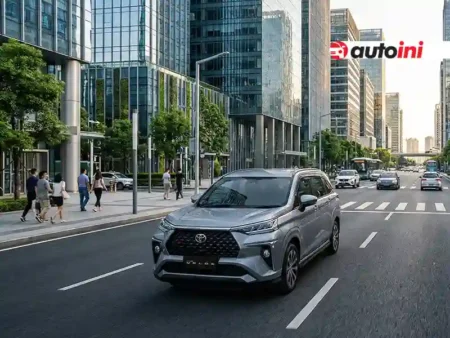
| Toyota | 20,738 units | 20,072 units | Still dominant, holds ~32% market share |
| Daihatsu | 10,605 units | 11,390 units | Stable demand, strong MPV lineup |
| Mitsubishi Motors | 6,071 units | 5,703 units | Slight decline, driven by L300 & Xpander performance |
| Suzuki | 5,152 units | 5,477 units | Maintains steady retail pace |
| Honda | 4,332 units | 4,600 units | Sales softening, especially for Brio |
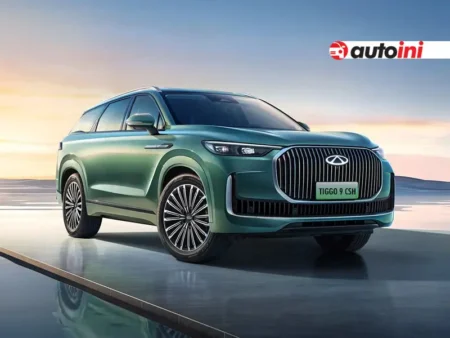
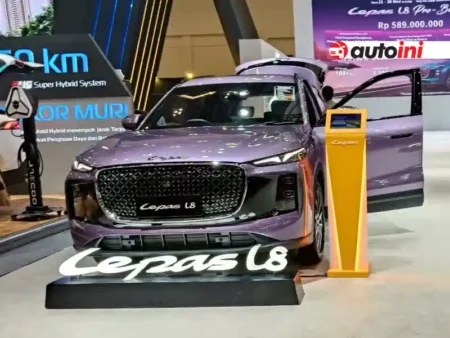
| Chery | Rising | Rising | Surpassed BYD, strong month |
| BYD | Dropped out of Top 10 | Dropped | Decline after strong August |
| Total (All Brands) | 62,071 units | 63,723 units | Wholesale up 0.5% MoM, retail down 4.2% |
Summary Insights
- Toyota and Daihatsu together captured nearly half of total sales, proving the continued strength of Japanese brands.
- Chery’s growth shows Indonesian consumers are slowly embracing Chinese manufacturers.
- BYD’s fall indicates fluctuating EV demand despite earlier momentum.
- Overall, the market remained weak due to economic pressure and lower consumer confidence.

Top-Selling Car Brands in Indonesia (September 2025)
Despite the market decline, Japanese brands continued to dominate Indonesia’s sales charts. Toyota remained the clear leader, capturing over 32% market share in both wholesale and retail segments.
Top-Selling Cars in September 2025
| Car Model | Wholesale Sales | Retail Sales |
|---|---|---|
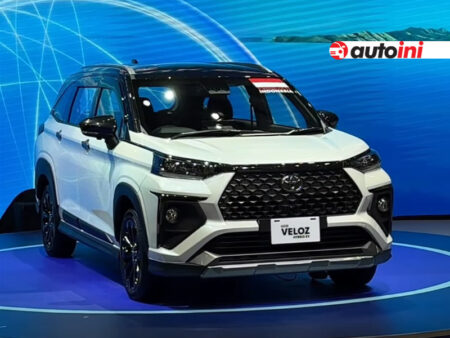
| Toyota Avanza / Veloz | 7,500 units | 7,200 units |
| Toyota Rush | 5,800 units | 5,600 units |
| Daihatsu Xenia | 5,400 units | 5,700 units |
| Daihatsu Terios | 5,200 units | 5,690 units |
| Mitsubishi Xpander | 4,000 units | 3,900 units |
| Mitsubishi L300 | 2,071 units | 1,803 units |
| Suzuki XL7 | 3,200 units | 3,100 units |
| Suzuki Ertiga | 1,952 units | 2,377 units |
| Honda BR-V | 2,300 units | 2,400 units |
| Honda Brio | 2,032 units | 2,200 units |
Notes / Insights:
- Toyota Avanza/Veloz continues to dominate MPV sales.
- Daihatsu Xenia & Terios maintain strong family car demand.
- Mitsubishi Xpander still a favorite in the MPV segment despite slight drops.
- Chinese EVs like Chery are gradually rising but not yet top 10 in specific models.
- The numbers reflect both wholesale (factory → dealer) and retail (dealer → customer) performance.



Market Trends and Brand Movements
Toyota and Daihatsu maintained their strong positions thanks to their trusted and affordable multi-purpose vehicles (MPVs), which remain highly popular among Indonesian families. Their consistent product reliability and broad dealer network continue to give them a competitive advantage.
Meanwhile, Chinese car brands continued to show dynamic performance. Chery achieved significant growth in September, climbing the rankings and surpassing BYD in both wholesale and retail sales. On the other hand, BYD experienced a notable slowdown, dropping out of the top 10 in wholesale distribution — a sign of stiff competition and fluctuating consumer interest in new EV brands.
Also Read : BYD Hits 14 Million Electric Vehicles Milestone Globally
Economic Pressure Slows Down Car Demand
The declining retail performance reflects broader economic headwinds affecting consumer purchasing power. Rising living costs, higher interest rates, and cautious household spending are limiting new car purchases, even as brands offer more aggressive promotions and financing options.
GAIKINDO has hinted that the annual car sales target of 900,000 units might need adjustment, given the consistent year-to-date declines. Market players are now focusing on the final quarter, hoping for an uplift driven by new model launches and year-end discounts.
Outlook for the Final Quarter of 2025
Looking ahead, analysts expect the Indonesian automotive market to remain under pressure through the end of the year. While some brands are betting on EV launches and fuel-efficient MPVs to attract buyers, recovery will likely depend on improvements in consumer confidence and macroeconomic stability.
FAQ: Indonesia Car Sales September 2025
How many cars were sold in Indonesia in September 2025?
A total of 62,071 cars were sold wholesale and 63,723 units at retail in September 2025, according to GAIKINDO data.
Which car brand sold the most?
Toyota was the best-selling brand with over 20,000 units sold, maintaining a dominant 32% market share.
Why did car sales decline?
Economic slowdown, tighter credit access, and reduced consumer purchasing power are key reasons behind the sales drop.
Are Chinese brands gaining traction?
Yes. Chery’s growth shows rising interest in Chinese vehicles, while BYD saw a temporary dip in September.
What is the sales forecast for 2025?
GAIKINDO may revise its initial target of 900,000 units for 2025, given the weaker-than-expected performance so far.
Disclaimer: All sales figures are based on GAIKINDO data and may vary slightly from final official reports. Readers are advised to check with authorized dealers for updated sales and pricing information.


MUST READ
TransJakarta Bus Fleet in Indonesia
TransJakarta – Discover the brands, types & models behind Jakarta’s BRT system