Jakarta – The competition between Chinese car brands, BYD and Chery, is heating up in Indonesia. Both brands are racing to capture the attention of Indonesian consumers by offering competitive products. Despite not being in the top 10 best-selling brands yet, their sales figures show a close competition.
Also read: Indonesia Car Sales Rise, Toyota Still Leads the Market
Sales Performance in Early 2025
Based on records from the Association of Indonesian Automotive Industries (Gaikindo), BYD and Chery are pursuing one another in sales figures:
- January 2025 (Wholesale Sales)
- BYD: 1,114 units
- Chery: 1,102 units
- February 2025 (Wholesale Sales)
- Chery: 1,468 units
- BYD: 1,399 units
- Total Wholesale Sales (Jan-Feb 2025)
- Chery: 2,570 units
- BYD: 2,513 units
Also read: Indonesia Car Sales Rise, Toyota Still Leads the Market
Retail Sales Performance
For retail sales, which are real deliveries to the customers, Chery was at the top in January, but BYD reclaimed the position in February:
- January 2025 (Retail Sales)
- Chery: 1,198 units
- BYD: 1,005 units
- February 2025 (Retail Sales)
- BYD: 1,488 units
- Chery: 1,327 units
- Total Retail Sales (Jan-Feb 2025)
- Chery: 2,525 units
- BYD: 2,493 units
Chery vs. BYD: Product Lineup
The two companies have varied strategies in Indonesia. Chery produces both traditional and electric cars, whereas BYD only produces electric vehicles.
- Chery’s Portfolio
- Traditional Cars: Tiggo Cross, Tiggo 8, Tiggo 8 Pro Max, Tiggo 8 Pro, Tiggo 7 Pro, Omoda 5
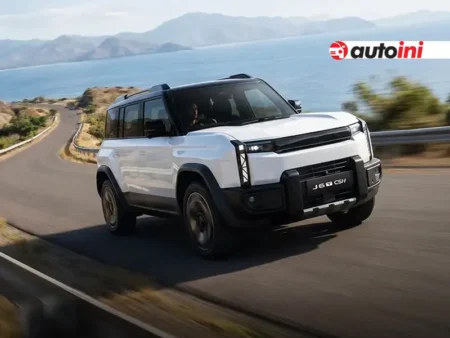
- Electric Cars: Omoda E5, Omoda E5 GT, J6
- BYD’s Portfolio (Completely Electric Lineup)
- Dolphin, Atto 3, M6, Seal, Sealion 7
Wuling Still Leads Chinese Brands
Though Chery and BYD are expanding fast, Wuling is still the strongest Chinese brand in Indonesia. Wuling is always one of the best-selling brands, followed by Chery and BYD.
Also read: Chery Tiggo Cross Hits 500 SPK at IIMS 2025
Conclusion
The war between Chery and BYD in the Indonesian auto industry is set to persist. Through their expansion of product offerings, aggressive tactics, and increased consumer demand, the two brands will likely cement their positions in the Indonesian market over the next few years.