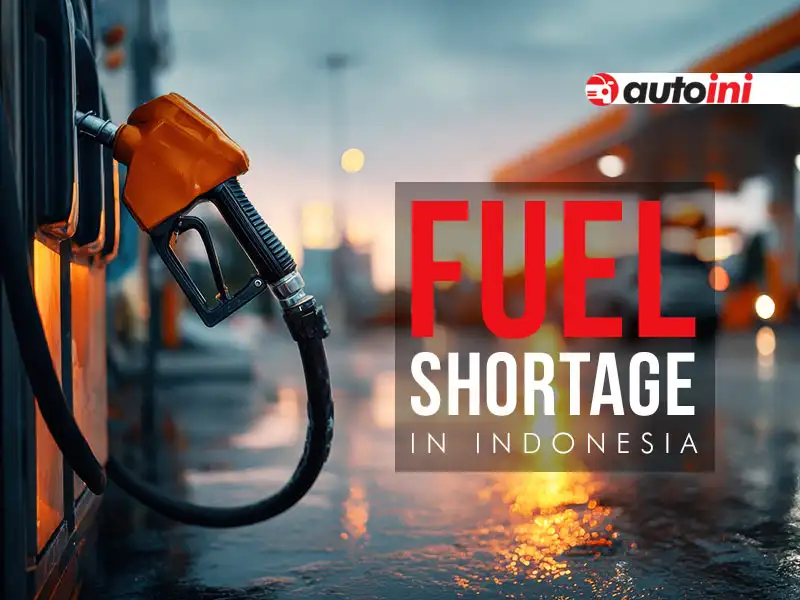
Autoini.com – Indonesia is currently experiencing a significant fuel shortage. Many motorists are noticing longer queues or empty pumps at private fuel stations. The term fuel shortage Indonesia (kelangkaan BBM Indonesia) highlights the growing concern across the country as non-subsidized fuel becomes harder to find, import restrictions tighten, and demand continues to rise. This article explains what’s causing this situation, how it impacts everyday drivers, and what actions are being taken to resolve it.
Key Highlights
- Fuel shortage caused by growing demand for non-subsidised fuel and import limits.
- Private fuel stations are struggling to maintain stock.
- Government aims to stabilise the situation through import regulations.
- Drivers are advised to plan refuelling wisely as supply remains uncertain.
What Is Driving the Fuel Shortage in Indonesia?
The fuel shortage Indonesia stems from a combination of shifting demand, import limitations, and policy changes. In 2025, consumption of non-subsidised fuels increased sharply, while sales of subsidised fuels declined. This change in consumer behaviour has created pressure on private fuel retailers that rely on import quotas for non-subsidised fuel.
The Government has limited direct fuel imports by private companies, allowing most imports to go through Pertamina. While this centralisation aims to ensure stability, it also restricts supply flexibility for private stations. As a result, many private retailers are running low on stock, particularly for RON 92 and RON 95 fuel grades.
ALSO READ
Types of Fuel in Indonesia
How the Kelangkaan BBM Indonesia Impacts Drivers and Private Stations
| Issue | What Drivers See | Reason |
|---|---|---|
| Empty petrol pumps | Non-subsidised fuels like RON 92/95 unavailable or long lines | Private stations cannot restock due to import restrictions |
| Reduced business hours | Some stations open for limited time | Operational changes to cut costs amid low supply |
| Pressure on subsidised fuel outlets | More cars switch to subsidised pumps | Drivers avoiding higher-priced non-subsidised fuels |
| Longer waiting time | More vehicles at fewer open pumps | Reduced supply chain flow and limited logistics |
For daily drivers, this means planning ahead and checking which stations have available stock. Those using high-octane vehicles may find it harder to locate the suitable grade at their nearest outlet.
Government and Industry Actions for Fuel Supply Indonesia Private Stations
To ease the situation, the government has allowed private retailers to import fuel through Pertamina’s quota system. This policy aims to stabilise distribution but has not fully solved the problem yet. Private retailers are still adjusting to new commercial terms and fuel quality standards under this framework.
In 2025, Indonesia also reduced its subsidised fuel volume to encourage the use of higher-quality fuels and reduce fiscal pressure. This reform, while beneficial long-term, has led to short-term challenges for both retailers and consumers.


The Growing Trend of Non-Subsidised Fuel Indonesia Demand
More Indonesian motorists are shifting to non-subsidised fuel due to two main reasons: better fuel quality and restrictions on subsidised fuel eligibility. The government’s QR-based purchase system for subsidised fuel has also encouraged many to switch to premium grades. As of mid-2025, non-subsidised fuel accounted for nearly half of the total national distribution.
However, because import quotas are still limited, private fuel stations are unable to keep up with this rapid growth in demand. The result is a temporary imbalance between supply and consumption.
The Role of Fuel Import Quota Indonesia Policy
The fuel import quota Indonesia plays a crucial role in this shortage. For 2025, the government only slightly increased the quota for private fuel imports, even though demand grew significantly. Many private stations depend on Pertamina for “base fuel,” which must meet specific blending and quality standards. Until these requirements are standardized, private retailers will continue to face limited stock and potential operational disruptions.
FAQs
What is causing the rise in non-subsidized fuel demand in Indonesia?
The non-subsidized fuel Indonesia demand has surged because drivers prefer higher-octane fuels for better performance and because subsidized fuels are restricted by new eligibility rules. This trend, however, has created more pressure on non-subsidized fuel supplies.
Why are private fuel stations running low on stock?
Private stations face limited import rights under the fuel import quota Indonesia system. They are required to import through state channels, which slows distribution and creates supply gaps when demand rises quickly.
How does the current fuel shortage affect daily drivers?
Drivers may face longer queues, limited fuel grades, or the need to switch to subsidized alternatives. Planning refueling routes in advance and checking local availability are the best ways to manage during this shortage.
Conclusion
The ongoing fuel shortage Indonesia reflects deeper changes in the country’s energy policies and fuel market. The combination of rising non-subsidised demand, import restrictions, and regulatory reforms has created temporary disruptions across retail networks. For drivers, this means staying informed, choosing compatible fuel grades, and preparing for possible delays at the pump. As the government and private sector work to stabilise supply, motorists can expect gradual improvements in availability over the coming months.




MUST READ
Car Tyres Wearing Out Fast? Causes & Maintenance Tips
Causes, care, and tyre maintenance tips to make your tyres last longer.