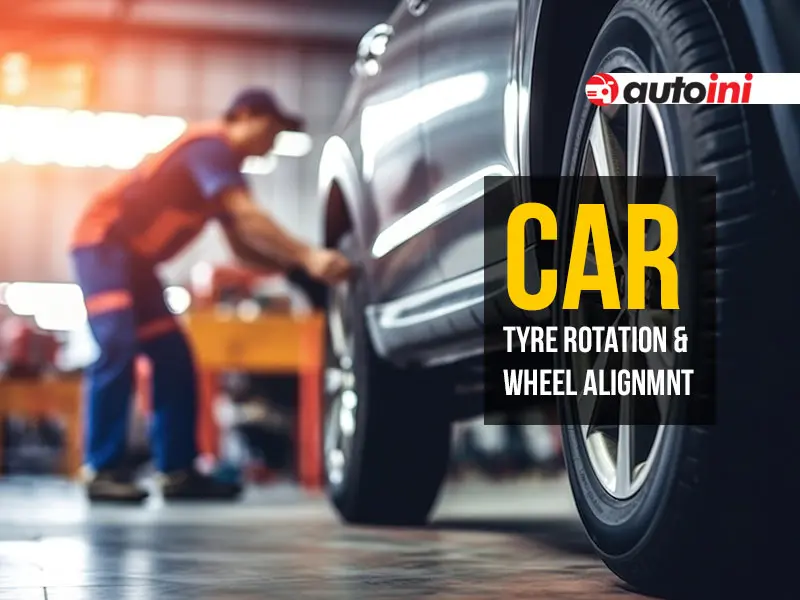
Autoini.com – Tyres are the only part of your car that stay in direct contact with the road, yet they are often ignored until problems start showing. Tyre rotation and wheel alignment are two basic maintenance steps that can significantly improve driving comfort, safety, and tyre life. In Indonesia, where road conditions range from smooth highways to uneven urban streets, these practices become even more important.
Recent automotive service data shows that cars with regular tyre maintenance can extend tyre life by up to 20–25% and improve fuel efficiency by around 3–5%. This guide explains everything in simple English, helping you understand when and why these services matter.
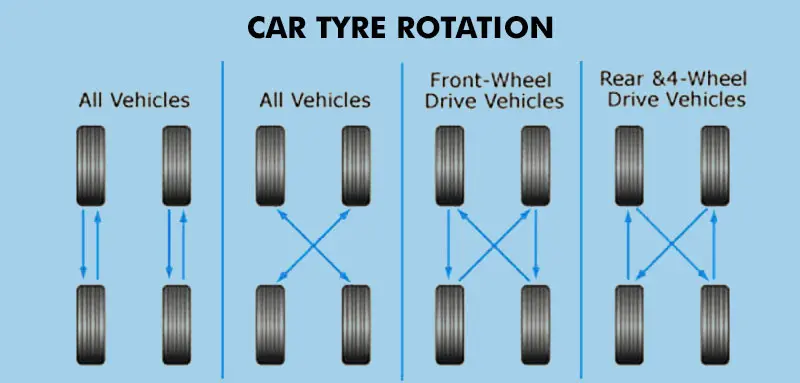
Why Tyre Rotation and Wheel Alignment Matter
Tyre rotation and wheel alignment work together to keep your vehicle balanced. Rotation ensures all tyres wear evenly, while alignment makes sure the wheels point in the correct direction. Ignoring either can lead to faster tyre wear and unstable handling.
Key advantages include:
- Better fuel efficiency over time
- Longer tyre lifespan and better value
- Smoother steering and improved control
- Reduced vibration and uneven tread wear
Tyre Rotation Benefits for Everyday Driving
Tyre rotation benefits are especially noticeable for daily drivers. Front tyres usually wear faster because they handle most of the braking and steering forces. By rotating tyres regularly, the wear is evenly distributed.
With proper rotation:
- Tyres last longer and wear evenly
- Road noise is reduced
- Braking performance remains consistent
Most service centers in Indonesia recommend tyre rotation during routine vehicle servicing to avoid early tyre replacement.
ALSO READ
What to Do After Your Car Gets Flooded During Heavy Rain
How Often to Rotate Tyres for Best Results
How often to rotate tyres depends on your driving style and road conditions. For most passenger cars, the recommended interval is every 8,000–10,000 km or once every six months.
If you drive frequently in heavy traffic, on rough roads, or carry extra load, rotating tyres earlier is a smart move. Regular rotation also helps identify suspension or tyre-related issues before they become serious.

Signs of Poor Wheel Alignment You Should Not Ignore
Signs of poor wheel alignment usually appear slowly and are often mistaken for tyre or steering problems. Paying attention early can save money and prevent safety risks.
- Vehicle pulling to one side while driving straight
- Steering wheel not returning to center
- Uneven or fast tyre wear
- Heavier steering or vibration
Service data indicates that poor alignment can reduce tyre life by nearly 30% if left unchecked.
Wheel Alignment Cost and Service Frequency
Wheel alignment cost in Indonesia depends on vehicle type and workshop location. On average:
- Passenger cars: IDR 150,000 – 350,000
- SUVs and MPVs: IDR 250,000 – 500,000
Wheel alignment is recommended after tyre replacement, after hitting deep potholes, or at least once a year even if no symptoms are visible. The small service cost helps avoid expensive tyre replacement later.
ALSO READ
VinFast Inaugurates 171-Hectare EV Plant in Subang with 50,000 Units Annual Capacity
Recommended Maintenance Schedule
| Maintenance Task | Recommended Interval | Purpose |
|---|---|---|
| Tyre Rotation | Every 8,000–10,000 km | Ensures even tyre wear |
| Wheel Alignment | Once a year | Maintains straight driving |
| Tyre Pressure Check | Monthly | Improves safety and mileage |
| Visual Tyre Inspection | Every service visit | Detects early damage |
FAQs
How much is the wheel alignment cost for small cars?
Wheel alignment cost for small and compact cars usually starts from IDR 150,000. Prices vary depending on equipment quality and workshop expertise.
What are the early signs of poor wheel alignment?
Early signs of poor wheel alignment include uneven tyre wear, steering pull, vibration at higher speeds, and difficulty keeping the car straight.
How often to rotate tyres for daily city driving?
How often to rotate tyres for city use is typically every 8,000 km, as frequent braking and turning increase uneven tyre wear.
Can tyre rotation help improve fuel efficiency?
Yes, tyres that wear evenly create less rolling resistance, which helps maintain better fuel efficiency over time.
Conclusion
Tyre rotation and wheel alignment are simple maintenance steps that deliver long-term benefits. They help improve safety, enhance vehicle handling, and extend tyre life. Considering Indonesia’s mixed road conditions, regular tyre care plays a big role in driving comfort and confidence.
By following the right maintenance schedule and paying attention to early warning signs, you protect your tyres and avoid unnecessary expenses. Small efforts today can lead to smoother and safer journeys tomorrow.
MUST READ
Jakarta Becomes the World’s Largest City: 23 Million Vehicles and Endless Traffic Woes
How over 22 million registered vehicles turn life on Jakarta’s roads into daily struggle