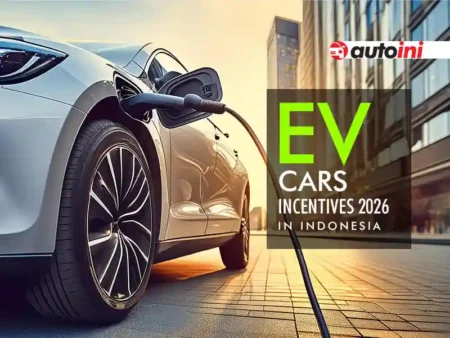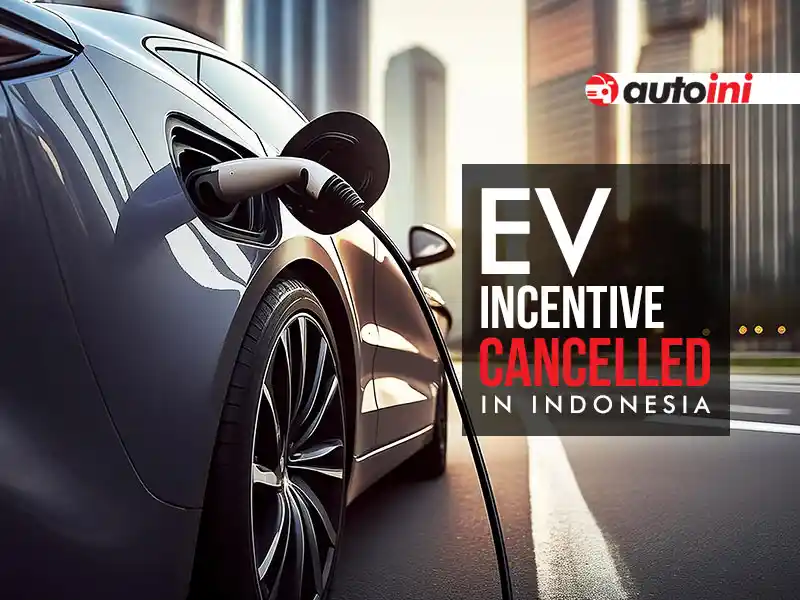
Autoini.com – In a major policy shift, the Indonesian government has confirmed it will end electric car import incentives for fully imported electric vehicles by the end of 2025, redirecting support toward boosting the national car industry and strengthening local EV production requirement programs. This decision marks a turning point for the EV market in Indonesia, affecting pricing, sales trends, and future manufacturing strategies.
Why Indonesia EV Incentives Cancelled
Indonesia’s electric vehicle market has grown rapidly in recent years, driven by government tax breaks and incentives for imported battery electric vehicles. However, starting in 2026, the government will discontinue these electric car import incentives and focus on developing a strong national car industry supported by local production. This shift is designed to transform Indonesia from an EV import market into a regional manufacturing hub.
While the move supports long-term industrial growth, it also brings significant changes for consumers, automakers, and the overall EV market in Indonesia.
Reason Behind the EV Incentives Policy Changed
The government previously offered tax exemptions and reduced luxury taxes to accelerate EV adoption. However, authorities have decided that continuing incentives for fully imported vehicles is no longer sustainable.
- EV incentives for imported vehicles will end on December 31, 2025.
- From 2026, EVs must meet local EV production requirement rules to qualify for benefits.
- The policy aims to strengthen the national car industry and attract manufacturing investment.
Officials believe this approach will push automakers to build local factories, transfer technology, and create jobs in Indonesia.
ALSO READ
Jakarta Becomes the World’s Largest City: 23 Million Vehicles and Endless Traffic Woes
Key Points at a Glance
| Topic | Details |
|---|---|
| Policy Change | EV import incentives end in December 2025 |
| Government Focus | Support redirected to national car industry |
| Production Rule | Local EV production requirement becomes mandatory |
| Price Impact | Imported EV prices likely to rise in 2026 |
| Market Outlook | EV sales may slow without new incentives |

Impact on the EV Market in Indonesia
Price Changes After Incentive Removal
Without electric car import incentives, fully imported EVs may experience price increases of 10–30 percent. This could reduce affordability for many first-time EV buyers.
Sales Forecast
Analysts predict a possible slowdown in EV sales during 2026 if no replacement incentives are introduced. This may temporarily affect the growth of the EV market in Indonesia.
ALSO READ
Is Jakarta’s Odd–Even Rule Fueling a Massive EV Buying Surge?
Local EV Production Requirement
Manufacturers that want to continue receiving benefits must meet local content targets. The government plans to enforce a minimum 40 percent local content requirement in 2026, increasing to 60 percent in later years.
Boost for the National Car Industry
This policy gives a strong push to the national car industry by shifting focus from imports to local manufacturing and long-term growth.
- Builds a sustainable automotive ecosystem with lower import dependence
- Encourages domestic EV assembly and factory investment
- Strengthens local suppliers for parts, batteries, and components
- Creates more skilled jobs and supports technology transfer
Local Content Requirement Timeline
| Year | Local Content Requirement | Incentive Eligibility |
|---|---|---|
| 2025 | No minimum requirement | Imported EV incentives still apply |
| 2026 | Minimum 40 percent local content | Required for incentives |
| 2027–2028 | Up to 60 percent local content | Full domestic support |
Short-Term Effects for Consumers and Manufacturers
- Consumers may face higher EV prices in 2026.
- Imported EV brands will be pushed to localize production.
- Domestic manufacturers may gain stronger market opportunities.
Long-Term Benefits of the Policy Shift to local manufacturing
- Stronger domestic automotive supply chains
- More skilled EV-related jobs
- Improved technology transfer
- Higher export potential for Indonesian-made EVs
Conclusion
The decision to end electric car import incentives and prioritize the national car industry represents a strategic shift in Indonesia’s automotive policy. While short-term challenges such as price increases and slower EV sales may occur, the long-term goal is to build a sustainable and competitive EV manufacturing ecosystem. Success will depend on how quickly manufacturers adapt and how effectively new local production policies are implemented.
FAQs
What does the end of electric car import incentives mean for buyers?
Buyers should expect higher prices for imported EVs starting in 2026, especially for models that do not meet local production requirements.
How will the national car industry benefit from this decision?
The policy encourages local manufacturing, job creation, and stronger supplier networks, helping the national car industry grow sustainably.
Will the EV market in Indonesia slow down after 2025?
There may be a short-term slowdown in EV sales, but growth could recover as local production increases and new models become available.

MUST READ
Indonesia National Car 2027–2028: Pindad Leads the Push for a National Car
Indonesia prepares its first national car with Pindad leading production by 2027–2028.