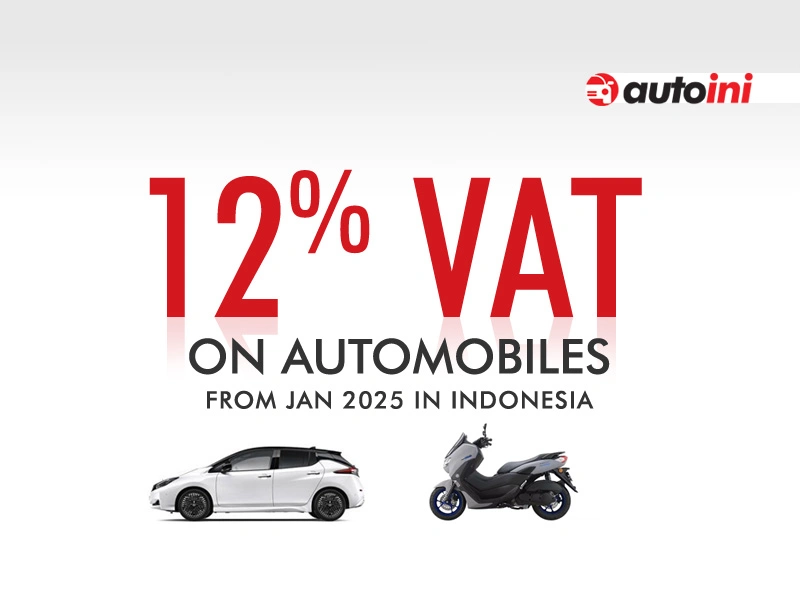
The Indonesian automotive industry has been bracing for a radical change due to the newly initiated implementation of the government with respect to a value-added tax hike that will finally reach 12% Vat hike in January 2025. Inevitably, its effect would definitely be reflected in motor vehicle and motorcycle prices, in consumer buying habits, and in general market dynamics. Understanding the background of VAT in Indonesia, the past rates, and changes likely to arrive will help consumers and businesses cope better with this transition.
Also read: Indonesia’s Leading Auto Show on Electric Vehicle Ecosystem
Past VAT Rates on Automobiles in Indonesia
Over the years, VAT has been important to Indonesia’s economy, where it directly affects the automobile market. The following is historical VAT rates for cars and motorcycles:
- 2010–2014: During this period, the VAT rate was kept at 10%, making it pretty easy for many middle-class families to purchase vehicles. It contributed to the steady growth of the automotive sector.
- 2015-2020: VAT maintained a constant 10%, when there were significant economic reforms at that time. Nevertheless, the introduction of PBNBM for luxury vehicles on top of the existing one provided that the price of the two became different.
- 2021-2024: In the post-pandemic economic recoveries, VAT for certain categories of vehicles was lowered as an incentive for spending. In 2023, the VAT returned to 11% on vehicles, making things a little bit more expensive for buyers. It was one of the early signals that the government intends to increase revenues.
VAT in 2025: What’s Changing?
The Indonesian Government has announced that starting January 1, 2025, VAT on automobiles, including cars and motorcycles, will rise to 12%. This decision reflects broader fiscal policies to support infrastructure development, education, and healthcare. While the change aligns with international standards, it will lead to higher vehicle prices across segments.
Impact on Cars
For cars, this 1% increase may be marginal, but the impact is significantly felt within models that lie in the mid-to-luxury range since their base cost is already so high.
Example: This will increase the levy to be paid on a IDR 300 million-priced car to IDR 36 million from the current IDR 33 million.
Also read: Toyota Cars Price in Indonesia 2025
Impact on Motorcycles
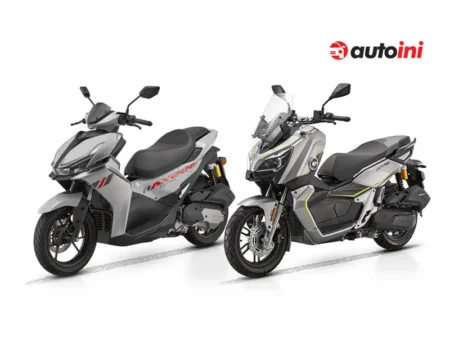
Motorcycles, which are popularly thought of as an affordable mode of transportation, will also become more expensive. A starter bike priced at IDR 20 million will see its value-added tax increase from IDR 2.2 million to IDR 2.4 million, adding to the burden of lower-income consumers dependent on motorcycles for their daily commute.
Also read: Indonesia Boosts EV Growth with New Plants and Tax Incentives
Long-Term Implications of the VAT Increase
- Increased Revenue for Public Projects: Additional VAT revenue is supposed to finance huge infrastructure and social programs, which will certainly indirectly help the automotive sector by improving the road network and supporting logistics.
- Challenges for Local Manufacturers: Indonesian automakers could face stiffer competition if foreign brands take advantage of the price-sensitive market by offering cheap imports and absorbing the VAT increase.
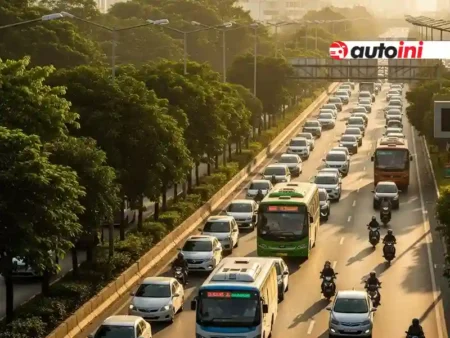
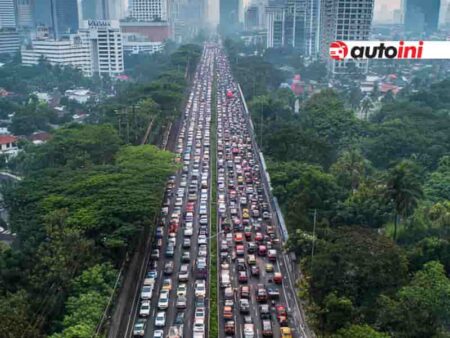
- Encouragement towards Alternative Transport: Higher automobile costs may shift more urban dwellers to public transportation, reducing congestion in major cities like Jakarta and Surabaya.
Starting this coming January 2025, Indonesia’s automobile market will be at a turning point. It was part of the wider fiscal policy of the Government; it would definitely hurt both consumers and manufacturers. This added cost might push more people towards alternative modes of transport and boost the used car and electric vehicle markets. With all of these in place, consumer awareness and intelligent planning would minimize the blow from such a situation.
Despite challenges, the Indonesian automobile market is an energetic one, characterized by continuous innovation and growth. By adapting to these shifts, it can keep its critical role in the country’s economy.