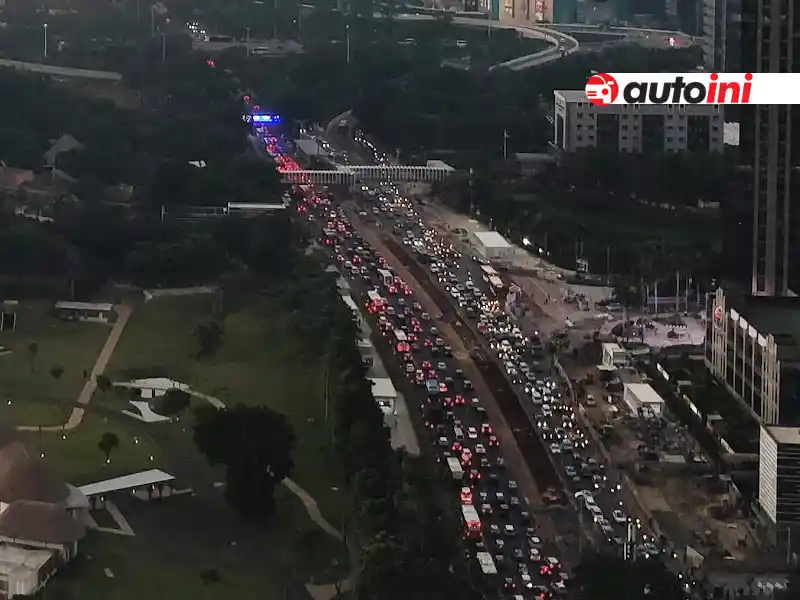
Autoini.com – Jakarta, the center of Indonesia’s growth and movement, is facing a mobility crisis that keeps getting bigger each year. Today, the city has recorded more than 23 million registered vehicles. This massive number has pushed traffic conditions to extreme levels, with congestion, long travel times, and air quality issues affecting millions of residents every day. The growth of private vehicle ownership continues to outpace road development, creating a difficult situation for commuters across the megacity.
Current Numbers: A Snapshot of Vehicle Ownership
| Vehicle Type | Registered Units (2023–2024) |
|---|---|
| Motorcycles | ~19.0 million |
| Passenger Cars | ~4.35 million |
| Trucks | ~876,600 |
| Buses | ~44,300 |
| Total vehicles | ~24.3 million |
*Figures reflect data published by official Jakarta statistics for 2023–2024.
In earlier reports from 2022, Jakarta already recorded over 26 million motorized vehicles, dominated by motorcycles and passenger cars. The number continues to fluctuate depending on annual registration updates, but the overall trend still shows fast growth.
ALSO READ
Geely Galaxy V900 Sets Guinness World Record by Fitting 42 Passengers
Why Private Vehicles Jakarta Remain Dominant

Private vehicles Jakarta continue to dominate the streets due to several reasons that closely relate to everyday life:
- Motorcycle affordability: Motorcycles are much cheaper and easier to use, especially in heavy traffic.
- Public transport coverage: Many residential areas still lack fast and direct public transport access.
- Economic improvement: Rising household income continues to drive the number of cars Jakarta higher every year.
- Convenience: For many commuters, private transportation still feels more reliable compared to available options.
Traffic Congestion & Environmental Toll
The rapid increase in private vehicles Jakarta has big consequences. Traffic congestion becomes a daily challenge, and pollution levels rise due to millions of motorcycles and cars running at the same time. As the motorcycle population Jakarta keeps rising, fuel consumption and emissions also become heavier contributors to air pollution.
Even with regular emission tests promoted by authorities, only a portion of vehicles participate each year. This makes it harder for the city to maintain cleaner air and safer travel conditions.
ALSO READ
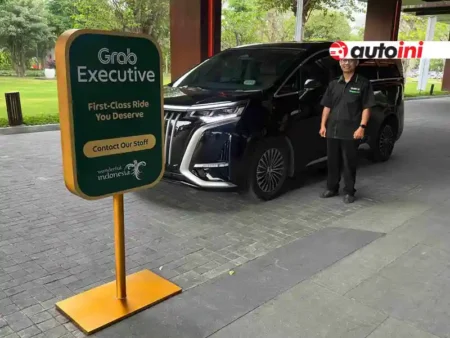
Denza D9 Joins GrabExecutive: Quiet Luxury Hits the Roads with Grab
Key Challenges Facing Jakarta
- Roads are not expanding fast enough: Vehicle growth keeps rising faster than road development.
- Dependence on private transport: Public transport still has limited reach in many areas.
- Air quality concerns: Exhaust emissions remain a major factor contributing to pollution.
- Economic losses: Congestion causes wasted fuel, lost working hours, and reduced productivity.
What the Data Says
Looking at the numbers, the issue becomes clearer:
- From 2022 to 2024, registered vehicles increased from around 21.2 million to more than 24.3 million.
- Motorcycles remain the majority, accounting for nearly 80% of total vehicles.
- The number of cars Jakarta continues to rise, but still remains far below motorcycles.
ALSO READ
TransJakarta Bus Fleet in Indonesia
Conclusion
Jakarta has grown into the world’s largest megacity, but the city’s mobility challenges continue to intensify. With more than 23 million registered vehicles, the pressure on roads and public spaces is overwhelming. Unless strong action is taken to improve public transport networks and manage private vehicle growth, Jakarta will continue to face worsening traffic congestion and air pollution. As the city moves toward a modern future, smarter and more sustainable mobility solutions are needed to ensure a livable Jakarta for the years to come.
FAQs
1. How many private vehicles Jakarta has now?
As of 2024, Jakarta has approximately 24.3 million registered motorized vehicles including motorcycles, cars, buses, and commercial units.
2. Why is motorcycle population Jakarta still growing quickly?
The motorcycle population Jakarta continues to rise because motorcycles are affordable, easy to use, and suitable for navigating heavy traffic. Many neighborhoods still lack quick public transport access, making two-wheelers the practical choice.
3. What factors cause Jakarta traffic congestion?
Jakarta traffic congestion is mainly caused by a high number of private vehicles, slow road expansion, and limited public transportation coverage. Long-tail issues such as peak-hour demand and dense suburban commuting also add pressure on the system.
4. How many cars are there compared to motorcycles?
Based on recent data, Jakarta has about 4.35 million passenger cars compared to around 19 million motorcycles. This means motorcycles still dominate daily traffic.

MUST READ
How to Avoid Traffic Jam in Indonesia
Smart Ways to Minimize Delays During Indonesia’s Traffic Rush!