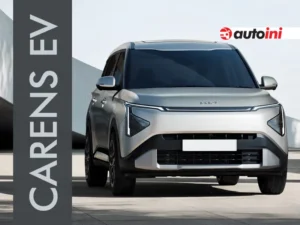
Autoini.com – If you’re thinking about switching to an electric vehicle this year, you’re in good company. Indonesia is moving fast toward greener transport, and many drivers are ready to leave gas behind for something cleaner and cheaper to run. But things have changed a lot since last year. The big perks for fully imported EVs are mostly gone, and the focus is now on cars made or assembled right here in Indonesia. If you’re planning to buy electric car Indonesia in 2026, understanding these shifts will help you avoid higher costs and pick the right model. Let’s walk through the latest details so you can decide with confidence.
Understanding EV Tax Breaks 2026: What’s Gone and What’s Left
The easy deals on imported (CBU) electric cars ended on December 31, 2025. That means no more zero import duties, waived luxury taxes (PPnBM), or full PPN relief for models brought in whole from abroad. Prices for those could jump significantly—experts estimate around 10% or more from base costs due to the return to normal 12% PPN. The government made this move to push companies to build locally, create jobs, and grow Indonesia’s EV industry using our nickel resources.
The good news? Local EV production Indonesia keeps some strong advantages. Cars meeting the 40% domestic content (TKDN) rule still get a reduced 1% PPN rate in many cases, keeping them much more affordable than imports. Recent reports show EV sales surged in 2025 (over 80,000 units wholesaled in 11 months), but 2026 will test the market as growth slows without broad subsidies. From what I’ve seen following auto news, this feels like a natural next step—exciting for long-term savings and cleaner cities.
ALSO READ
VinFast Inaugurates 171-Hectare EV Plant in Subang with 50,000 Units Annual Capacity

How Indonesia EV Policy Changes Affect Your Wallet
These Indonesia EV policy changes hit hardest on imports. Without exemptions, you could face full duties (up to 50%) and standard taxes, adding tens of millions to the price tag. But choosing a locally assembled model can save you big through ongoing EV tax breaks 2026. Last year, incentives drove huge sales, but now the emphasis is on homegrown options. If you’re chatting with friends about EVs, many say the shift makes sense—it’s about building our own future in electric mobility.
Top Models to Buy Electric Car Indonesia with Full Benefits
Focus on these popular EVs that qualify for local incentives in 2026 (assembled here with strong domestic content). They help keep costs down compared to pure imports.
| Model | Estimated Price Range (IDR) | Notes on Benefits |
|---|---|---|
| Wuling Air EV | 200–300 million | Local assembly, strong affordability edge |
| Wuling Binguo EV | 300–400 million | Family option, retains competitive pricing |
| Hyundai Ioniq 5 | 700–900 million | Local production, advanced features with savings |
| Chery Omoda E5 | 500–600 million | Modern SUV, qualifies for local perks |
| BYD Dolphin | 400–500 million | Efficient hatchback, shifting to local benefits |
These models lead the way, with more coming as factories expand. Picking one means real value through EV tax breaks 2026 and supporting Indonesian jobs.
Benefits of Local EV Production Indonesia for Buyers
Local EV production Indonesia is the big winner now. The government aims for EVs to make up a bigger share of vehicles soon, with TKDN rules rising over time. Brands investing here—like those above—are pouring in billions, which should bring more models and eventually lower prices. Personally, following these trends, it feels rewarding—cleaner air in places like Jakarta, plus long-term fuel savings that add up fast.
ALSO READ
Kawasaki Z1100 Launch in Indonesia — Big Power, Surprising Price
Navigating Indonesia EV Policy Changes: Tips for Smart Buying
To handle these Indonesia EV policy changes, always ask dealers for TKDN details—it’s key to EV tax breaks 2026. Check charging stations too; the network is growing fast. Compare total costs: EVs win on fuel and maintenance, even if upfront prices shift. If imports appeal, think about extra taxes versus local reliability. With global EV trends strong, local models could hold value well for resale.
FAQs
What Are the Main EV Tax Breaks 2026 for Locally Made Cars?
Locally made cars with at least 40% domestic content get reduced PPN rates, keeping them affordable. This is a core part of EV tax breaks 2026 to support home production.
How Does Local EV Production Indonesia Impact Availability?
Local EV production Indonesia is growing quickly, with brands like Wuling and Hyundai offering qualified models. This means better availability and faster delivery for those searching best locally assembled EVs in Indonesia 2026.
Are There Any Indonesia EV Policy Changes Affecting Used Cars?
Indonesia EV policy changes mainly target new imports, but used EVs from incentive-eligible models may hold value better. For questions on impact of EV policy on second-hand market Indonesia, local ones often fare well.
Can I Still Buy Electric Car Indonesia Imports Without Penalties?
Yes, but expect higher prices from full taxes. If wondering how to buy imported EV Indonesia 2026 affordably, look at financing or wait for local versions.
What Long-Term Effects Do EV Tax Breaks 2026 Have on the Market?
EV tax breaks 2026 favor locals, likely growing the market to millions by 2030. For future of electric vehicles in Indonesia post-2026, it points to a strong, home-based industry.
In the end, 2026 is a big shift for EVs in Indonesia. While import perks fade, local options bring real advantages and sustainability. If you’re set to buy electric car Indonesia, go for qualified models—they’re the practical, future-proof pick. Keep an eye on updates, and you could soon be driving something that saves money and helps the planet. Happy hunting!